Webinar recap: Justice Reform in the Americas: How We’re Responding
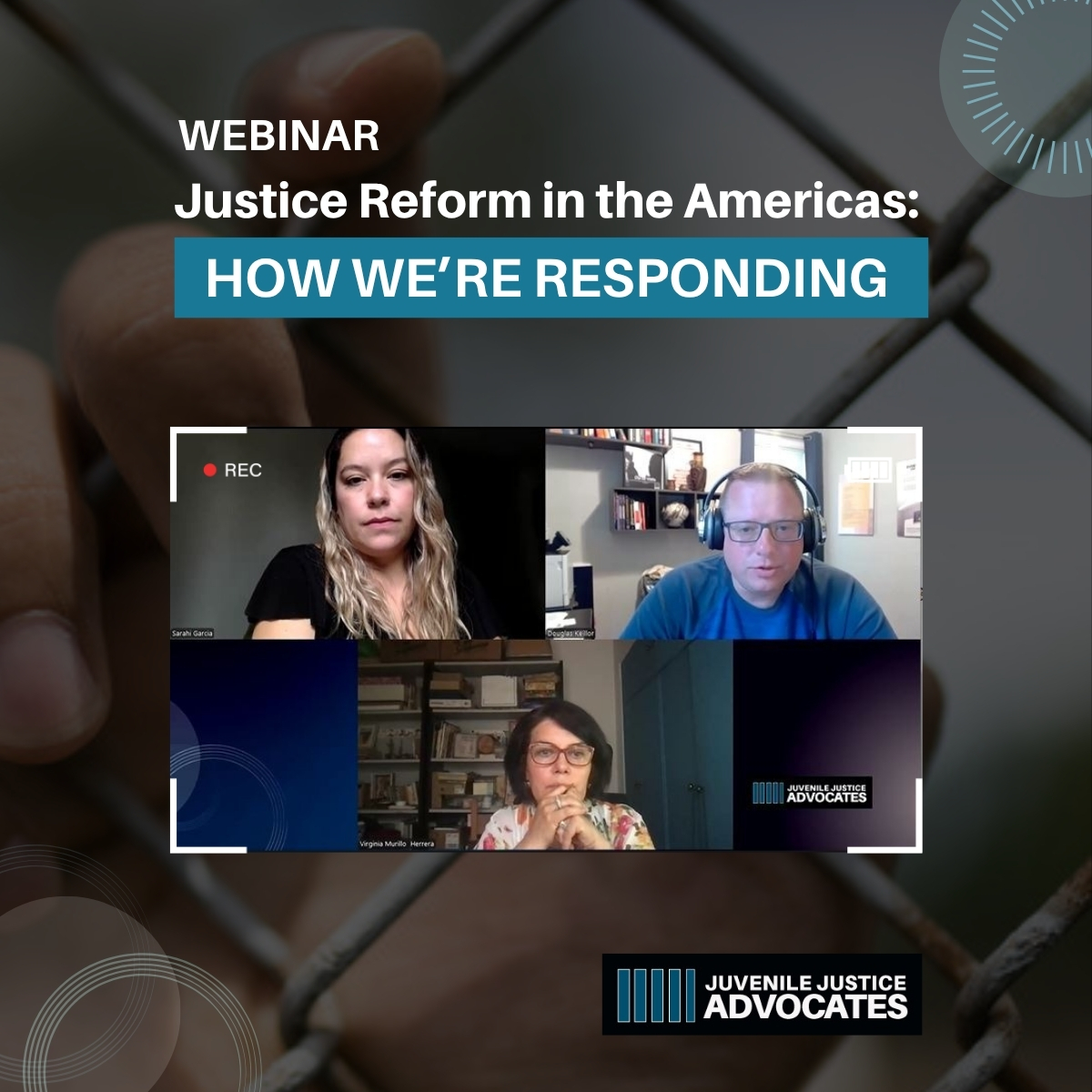
Our recent webinar left us with powerful insights and renewed commitment to juvenile justice across the region.
Held on July 9, the conversation brought together our Executive Director, Douglas Keillor, Sarahi García Martínez (Latin America Director, JJAI), and Virginia Murillo Herrera (President, DCI Costa Rica). Together, they explored the current challenges and progress in youth justice throughout the Americas.
- JJAI’s regional impact is expanding: From Mexico to Costa Rica, Honduras, and the U.S., we continue to monitor detention conditions, reduce unnecessary incarceration, and support youth after release.
- New threats are emerging: Budget cuts, rising populism, organized crime, and shrinking civic spaces are jeopardizing progress.
- Collaboration is essential: Sharing tools, building strong partnerships, and linking justice reform to broader issues like gender equity and climate justice strengthens our impact.

Strengthening institutional coordination to advance youth justice in Honduras
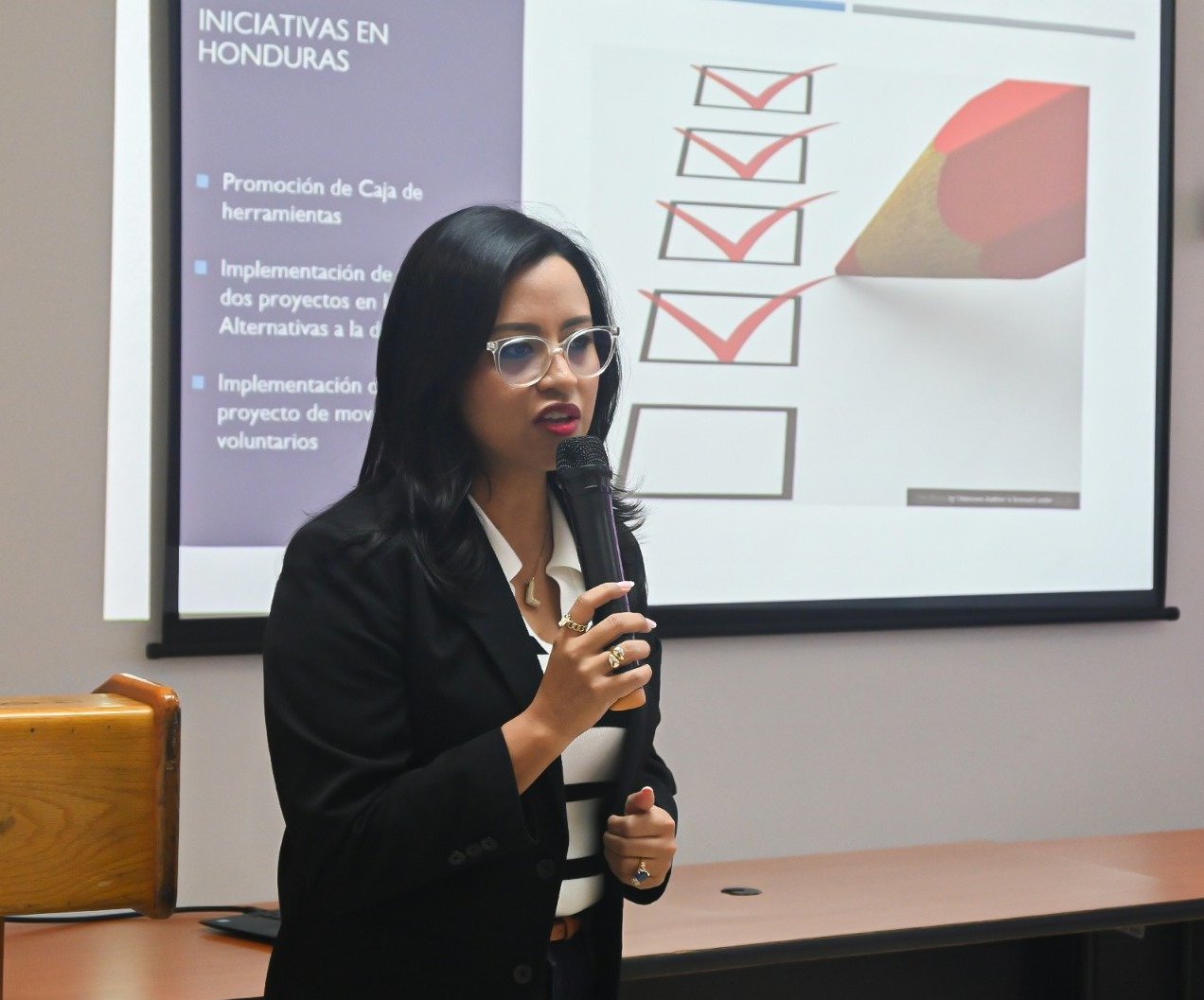
Thanks to the official accreditation of our representative in Honduras, Laura Marcía, we have taken a key step in strengthening partnerships with justice system institutions through our Alternatives to Detention project.
In a series of bilateral meetings with institutional stakeholders, we presented the project and promoted the use of our Toolkit — a practical guide based on the lessons learned and achievements of JJI’s initiatives in Mexico. These meetings were also valuable opportunities to learn directly from national actors about current progress and key challenges in Honduras.
Highlights include meetings with:
- National Institute for the Attention of Adolescent Offenders (INAMI)
- National Public Defender’s Office
- Sentencing Courts
- Special Prosecutor for the Protection of Children
We were also invited to join the Technical Roundtable on Children’s Rights in Conflict with the Criminal Law, a key inter-institutional space that promotes systemic change from a human rights perspective. At this session, we shared our mission and priorities, receiving strong interest and support from participants.
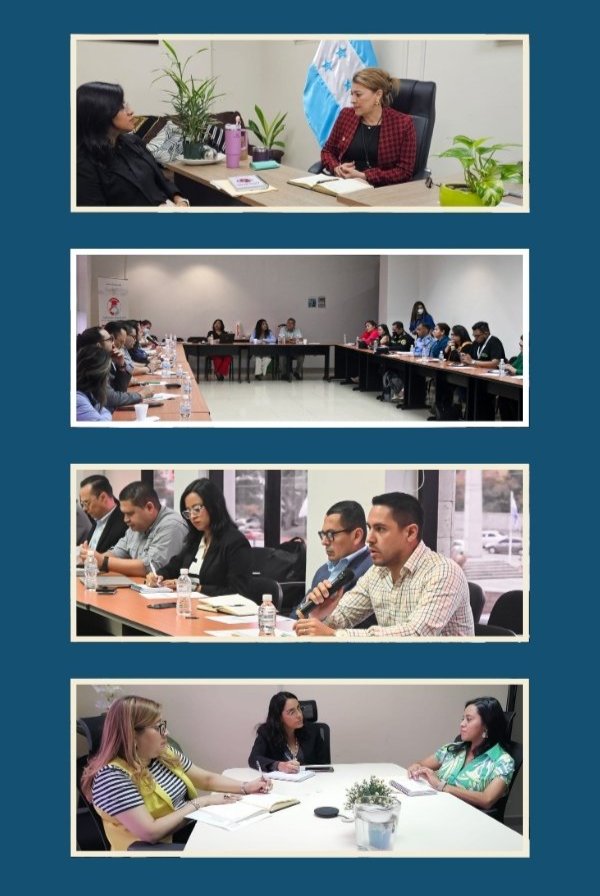
These efforts demonstrate growing momentum within the Honduran state to collaborate on restorative and innovative approaches to juvenile justice. With the continued support of our donors, we are expanding our impact in the region, building bridges between institutions, and creating real pathways to justice, dignity, and opportunity for children and youth in conflict with the law.

We use gamification and emotional intelligence to support incarcerated youth in building identity, goals, and connection
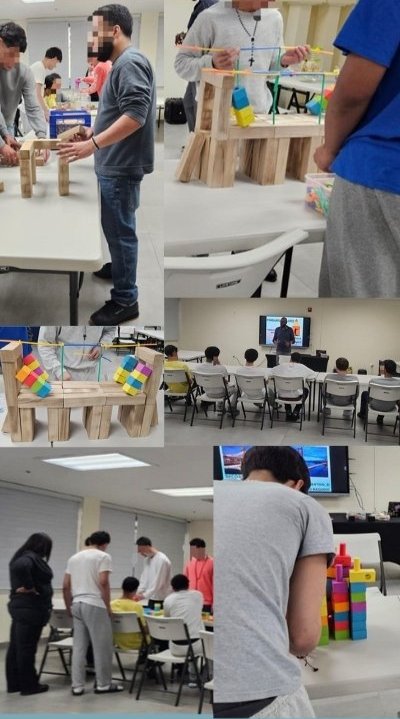
In collaboration with Fundación RIMAS, we led a Creative and Emotional Intelligence Workshop with youth at the Villalba Social Treatment Center in Puerto Rico. Through this session, participants explored key skills like self-concept, artistic expression, and personal goal setting.
Using gamification-based strategies, the youth envisioned symbolic structures, such as bridges and towers, as metaphors for growth, connection, and their future paths. Through art and reflection, they recognized themselves as individuals with voice, identity, and dignity.
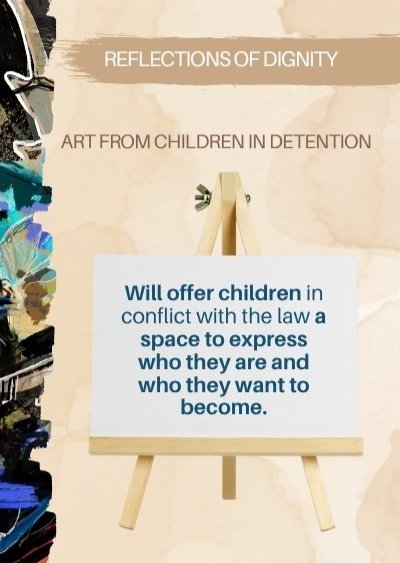
This workshop marked the beginning of the second cycle of Reflections of Dignity, following the first edition held in Mexico City in 2025. This new round will begin on August 6, 2025. Throughout 11 sessions, the program will focus on emotional and creative development, incorporating activities that engage families and communities in active participation. Highlights include: a Gallery Dinner with relatives, exhibitions at the Ponce Museum of Art, and the collective creation of Murals of Dignity.
This powerful project is made possible thanks to the support of Fundación RIMAS, Skills Creative Studios, and Justice for Families.

In Costa Rica, we are implementing our “Alternatives to Detention” project
This project is made possible through joint efforts with Defensa de Niñas y Niños Internacional (DNI), in coordination with the Judicial Branch, the Ministry of Justice and Peace, and the General Directorate of Social Adaptation.
Our goal is to reduce the use of pretrial detention and strengthen the juvenile justice process in Costa Rica.
The project includes the following actions:
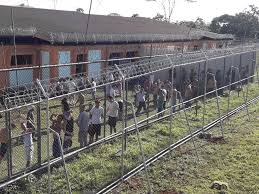
- A regional campaign to promote our Toolkit, which provides practical and legal resources on alternatives to detention.
- Development of key tools, such as instruments for assessing procedural risk and supervision models for non-custodial sanctions.
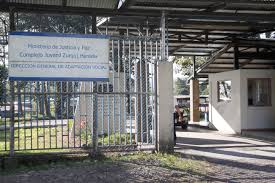
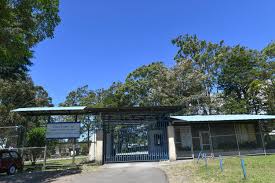
- Strengthening of the Mobilizing Volunteers program through initiatives aimed at improving conditions at El Zurquí and Ofelia Vincenzi detention centers. These actions include financial support for family reunification and workshops that foster positive connections between adolescents and their families.
- Monitoring compliance with international standards through reports developed using the Operational Review Guiding Instrument, aligned with the Convention on the Rights of the Child and the observations of the Committee on the Rights of the Child.
Our Response to UN Experts’ Findings on Juvenile Detention in Peru
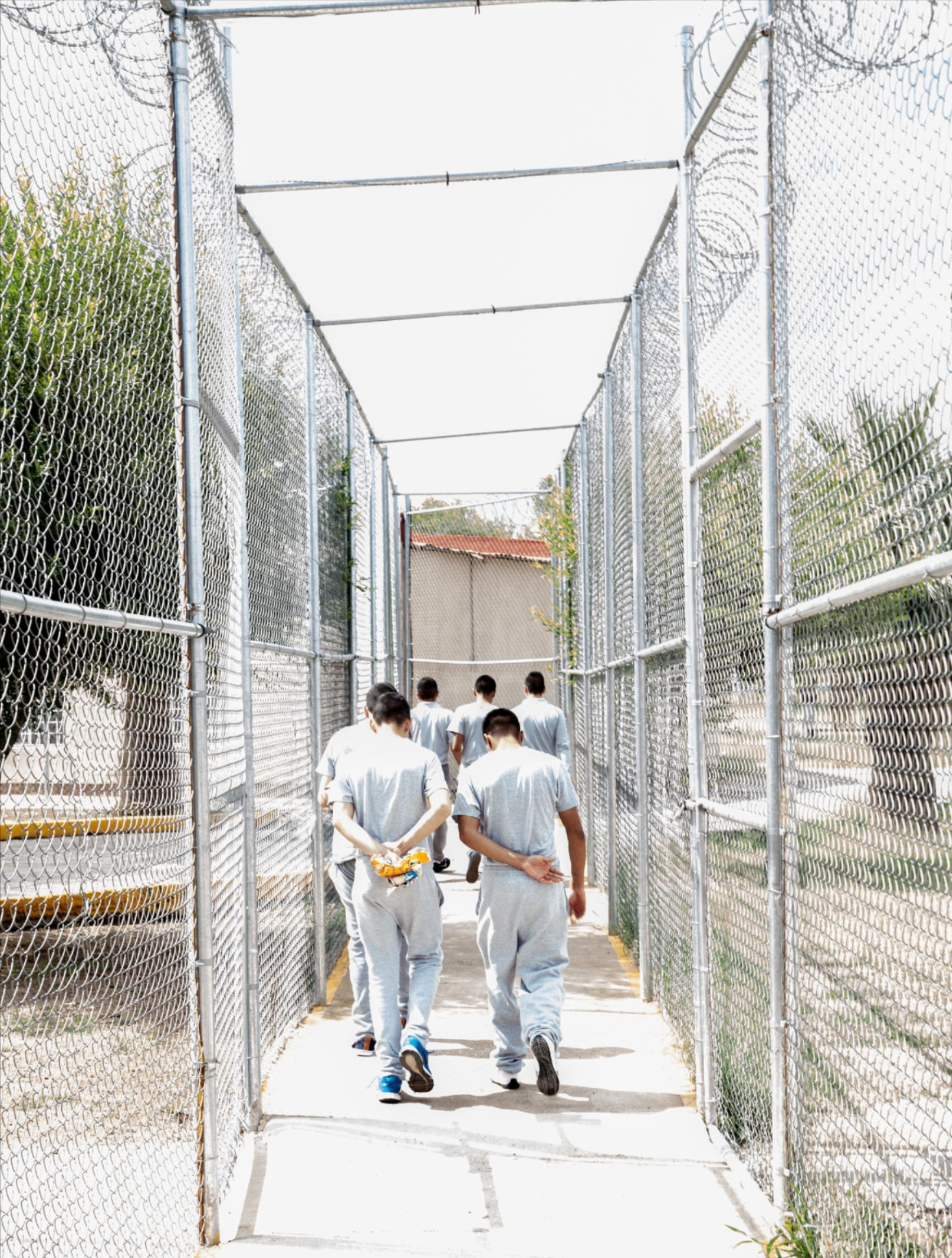
At Juvenile Justice Advocates International, we firmly condemn the detention of children in adult prisons in Peru, as highlighted by UN experts.
Placing youth in adult facilities is a clear violation of international standards, and a direct threat to their safety, well-being, and development.
Harsher sentencing and more incarceration are not solutions.
They represent a systemic failure to protect children.
We are alarmed by the growing trend of punitive justice policies across Latin America.
Youth justice must be rooted in rehabilitation, dignity, and real opportunities, not punishment.