Building dignity, justice, and opportunities for children worldwide
Art, self-discovery, and family reintegration at CTS Villalba
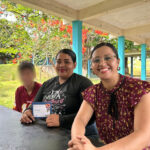
In partnership with Fundación RIMAS, we continued our collaboration at La Academia, bringing training, mentorship, and creative expression to young people in detention.
What the Children Are Discovering:
- Self-Love & Priorities – exploring inner values, decision-making, and healthy relationships through art.
- Masculinities & Emotional Intelligence – building respect, empathy, and healthier ways of relating to others.
- Life Skills & Budgeting – practicing independent living skills through budgeting, grocery shopping, meal planning, and even cooking. One session used rice preparation as a metaphor: just as rice requires several key ingredients, building a meaningful life requires character, discipline, and love, especially when shared in community.
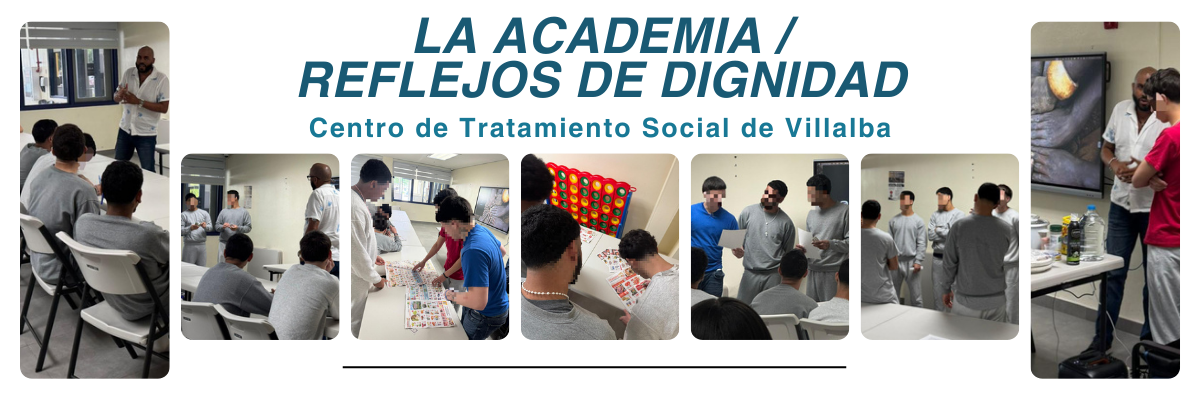
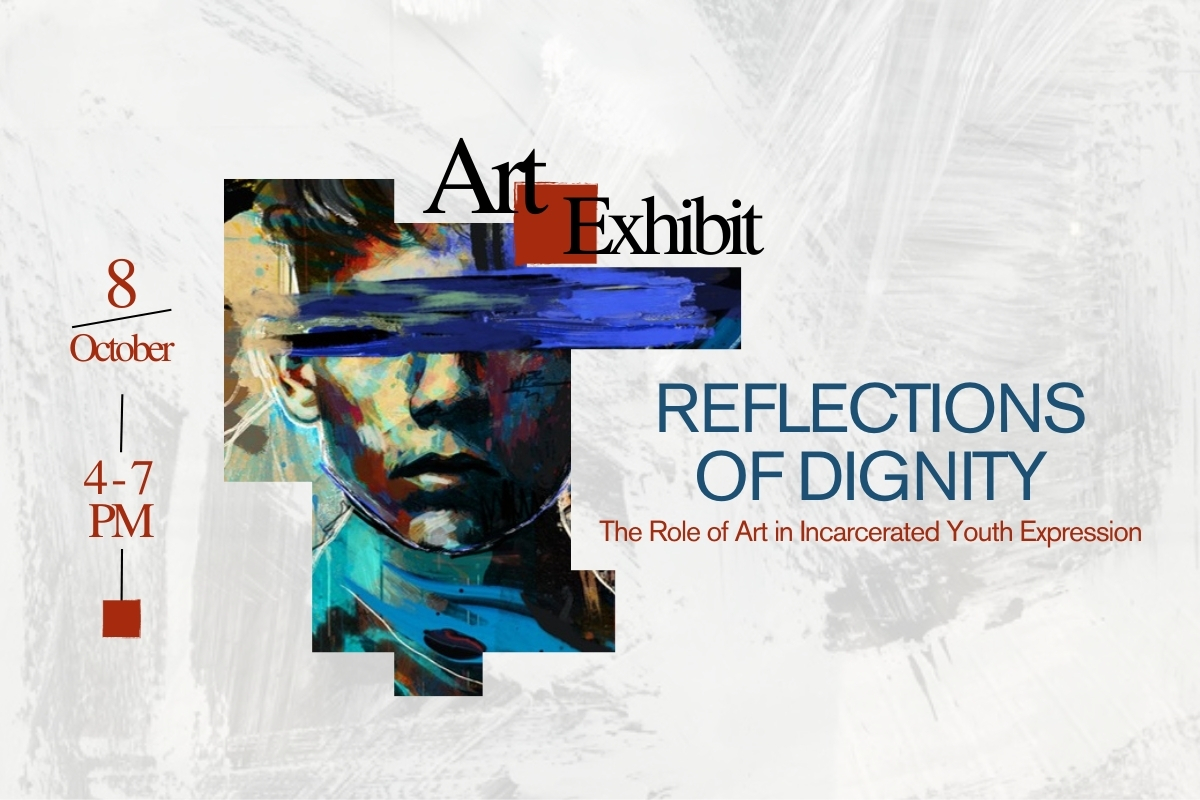
Reflections of Dignity – Art as a Voice
Ten young participants are developing self-portraits, starting with geometric techniques, shading, and pencil work. Many had no prior art experience, but through this project, they are discovering new ways to express themselves and who they want to become.
This initiative, Reflejos de Dignidad, is also part of our global Reflections of Dignity art series, which includes partnerships with the National Museum of Mexican Art in Chicago and international exhibits.
Community & Family Integration
Together with Fundación RIMAS, Skills Creative Studios, and Justice for Families, we are planning family dinners, gallery exhibits, and Murals of Dignity. These spaces allow youth and their loved ones to share meaningful moments and build pathways for reintegration.
Building alternatives to detention through partnerships
This month, we advanced our Alternatives to Detention Project with key institutions and actors in the justice system.
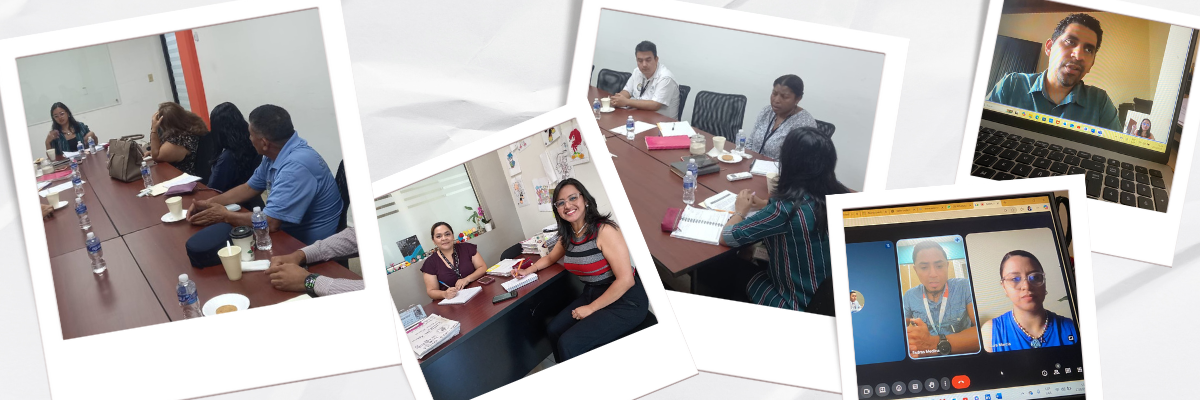
- The INAMI (National Juvenile Justice Agency) appointed a direct liaison with JJAI to strengthen coordination. During the meeting, we presented the Mobilize and Empower and Alternatives to Detention projects, aiming to maximize their impact on children. In addition, a technical cooperation agreement is currently under review to help reduce the long wait times faced by young people in pretrial detention.
- In San Pedro Sula, we met with the Youth and Family Court, the Sentencing Court, the Juvenile Justice Subcommission, and the NGO Orphan Helper. These meetings opened the door to plan future collaborations on volunteer engagement, case referrals, and strengthening incarceration services.
As in Honduras, we continue implementing our Alternatives to Detention (ATD) project thanks to coordination with several state institutions:
- Together with DNI Costa Rica and the Ministry of Justice and Peace, we are developing a Framework Agreement that will allow us to begin monitoring detention centers. This process will be key to verifying the conditions of young people in detention and assessing compliance with international standards.
- With the Department of Social Adaptation – Ministry of Justice, we are advancing the validation of tools for supervising non-custodial measures, strengthening alternatives to detention, and community-based support.
- In collaboration with the Zurquí Juvenile Center, we are preparing the Mobilize and Empower component, starting with family workshops. These spaces aim to support family reunification and create safe environments for listening and accompaniment for detained adolescents and their families.
CJJA 2025 – Facility Assessment Tools
Redefining standards for safer youth facilities
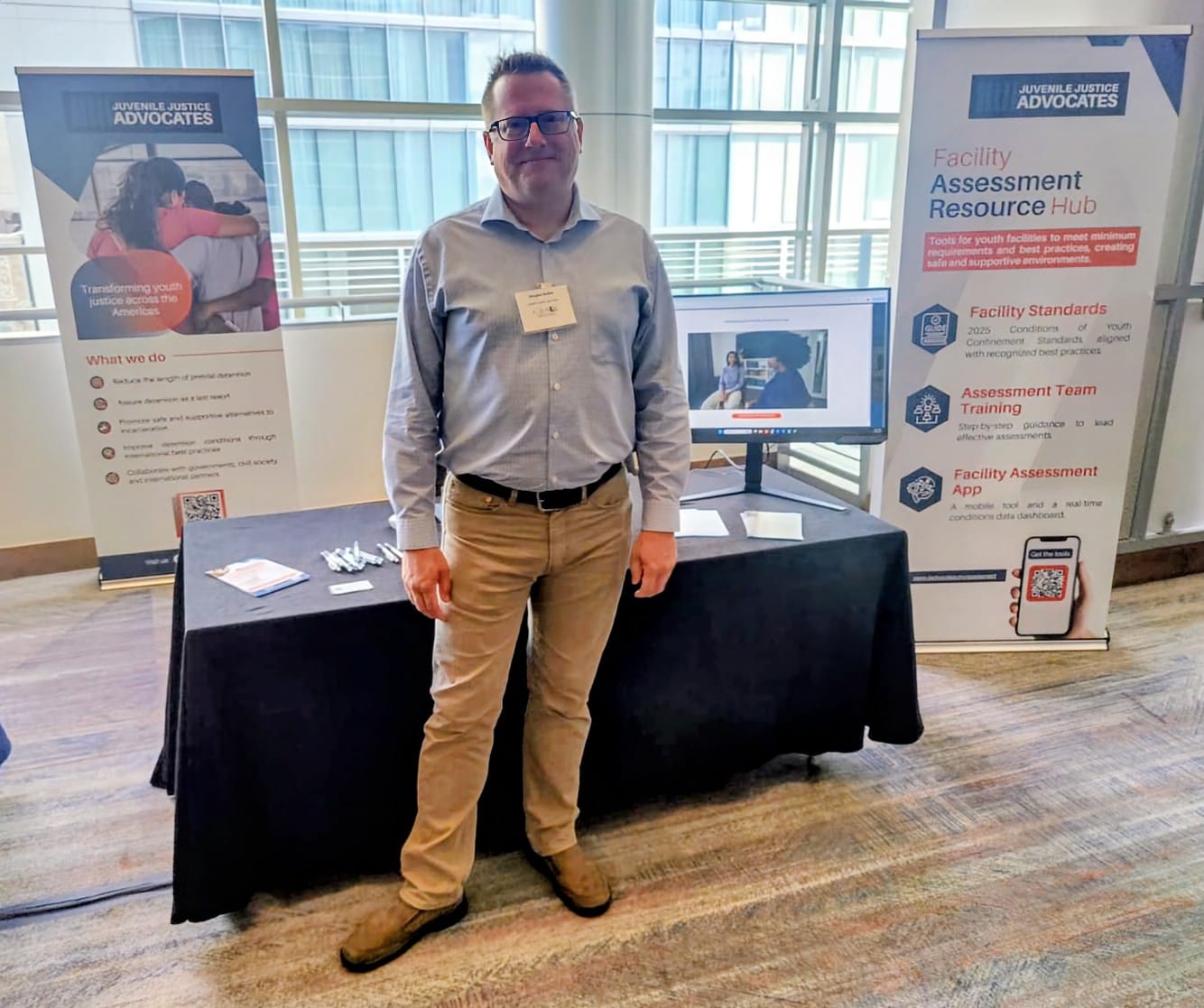
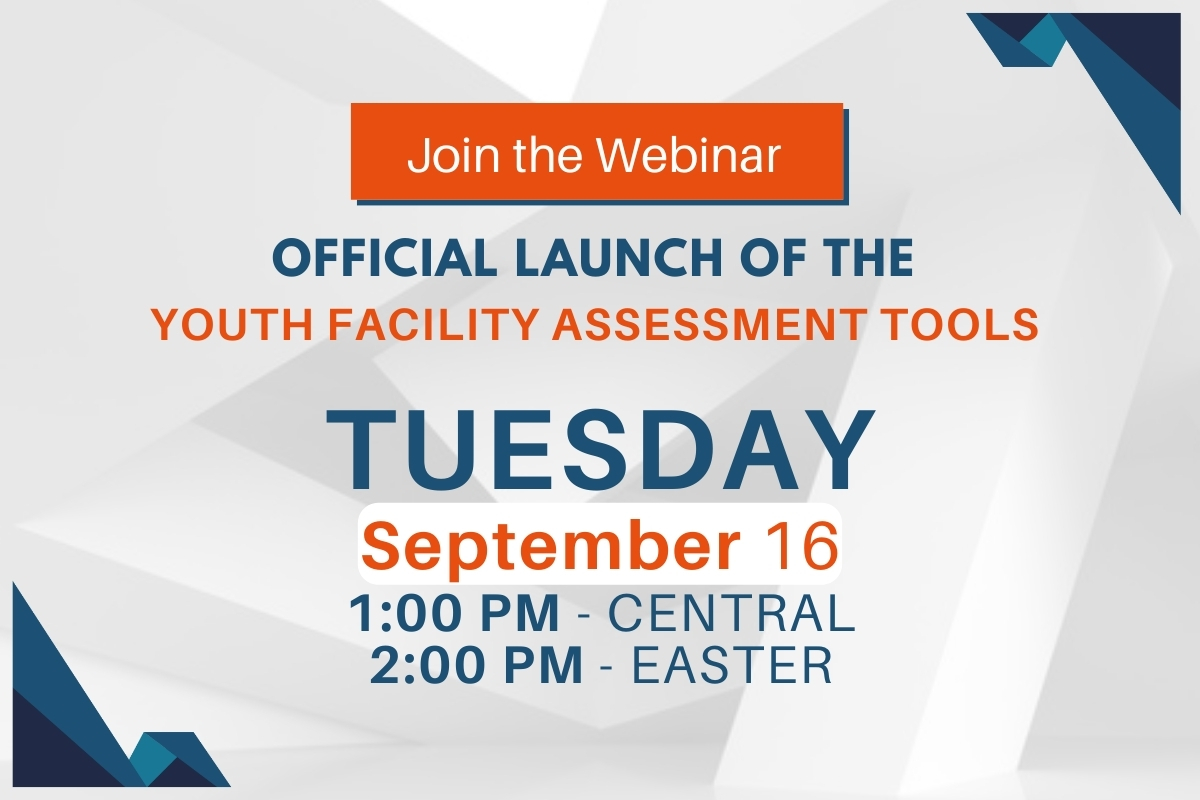
We were proud to sponsor the Council of Juvenile Justice Administrators (CJJA) Summer Juvenile Justice Leadership Forum in Denver and launch our Youth Detention Facility Assessment Tools.
Why it matters:
- Measurable Benchmarks – align policies with the most comprehensive U.S. standards.
- Real-time Insights – our app provides instant data and reporting.
- Better Outcomes – tools designed to promote healing and reduce recidivism.