How can a justice system protect the relationships young people and their children depend on?
This September, your support kept families connected and sustained JJAI’s work to improve youth justice.
Family engagement and technical guidance are part of one long-term strategy: reduce unnecessary detention and make respect for young people’s rights part of everyday practice.
Making family connection possible
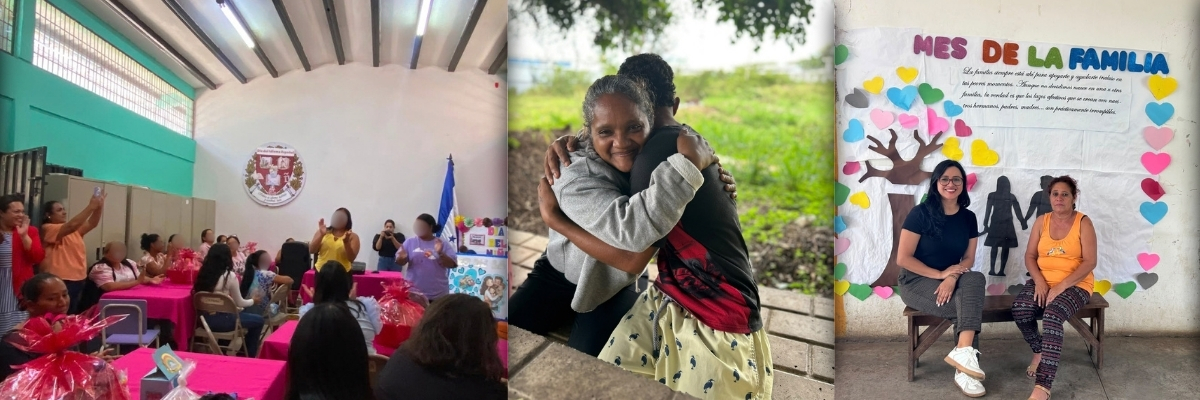
Through our Mobilize & Empower project, JJAI supported visits in Honduras, involving 10 young people and 14 relatives at three youth detention centers: Jalteva, Jalteva Nuevo, and Sagrado Corazón de María.
- At Jalteva Nuevo, a grandmother is the only relative who visits her grandson. The journey is long and tiring, but she makes it whenever she can to see him.
- At Jalteva, a young person’s aunt helped our team contact his mother and arrange a visit. The two women went to see him together. It was his aunt’s first visit to the center, and he was happy to see them both. He also shared how much he missed home.
- At Sagrado Corazón de María, our family reunification visit coincided with the center’s Children’s Day activities. Adolescent mothers shared games and time with their daughters as a family.
Your support makes these visits possible by covering transportation and meal costs. Through Mobilize & Empower, we keep families involved and empower them to advocate for their children, alongside our work with institutions to improve youth justice.
What families can tell a justice system
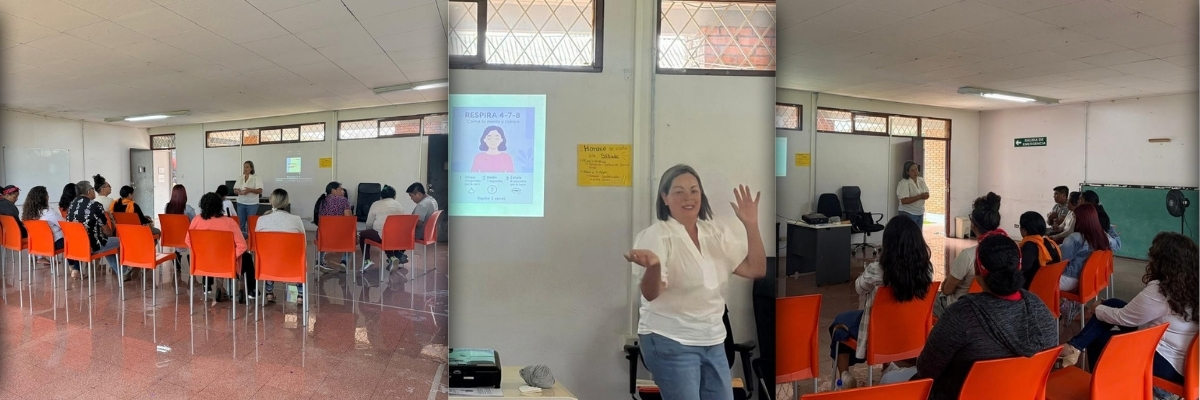
This month, 13 relatives gathered at Centro Juvenil Zurquí, a youth detention center in Costa Rica, to discuss family contact rights and caring communication. The gathering builds on our ongoing Family Committees with DNI Costa Rica, which empower parents to organize and advocate for their children’s rights.
One mother described how an earlier workshop had prompted her to seek emotional support. She now feels better and can talk with her child more calmly. Another participant thanked the group for creating a space to be heard.
Individual support also builds collective advocacy. Family Committees equip families to recognize their rights, organize around shared concerns, and ask institutions to address barriers to visits, communication, and dignified treatment. This connects family engagement to JJAI’s broader reform strategy: justice systems that listen to families and respond to their concerns.

Practical tools for institutions and professionals to act
Alongside family engagement, JJAI equips justice institutions and professionals to assess whether detention is necessary, prevent cases from stalling, and support young people in the community.
JJAI’s Alternatives to Detention Toolkit, launched in April 2026, translates our experience working with justice institutions into practical resources and online courses on risk assessment, timely proceedings, community supervision, and reentry. It extends the reach of our technical guidance beyond individual project sites.
- 196 downloads of Toolkit PDFs since the April launch, including 45 in September.
- 116 people registered for Alternatives to Detention training courses.
- 41 course completions recorded.
These results show that resources are being accessed and courses are being completed. Our goal is to turn that learning into changes in daily practice: fewer unnecessary days in detention, fairer decisions, and stronger support in the community.
Explore the Toolkit and online courses →
You move this work forward
Restore the Circle sponsors reconnect families and strengthen their voice in youth justice. Your monthly sponsorship funds transportation for family visits and supports spaces where parents learn their rights and advocate for their children.
By becoming a sponsor, you sustain family connection today and families’ participation in shaping better justice systems.
Use the link below to manage your sponsorship or become a Restore the Circle sponsor.
Log In To your Sponsor Account →
Thank you for making family connection and participation part of youth justice reform.