Families reconnect. Communities participate. Systems move forward.
This month, JJAI’s work across the Americas shows what youth justice reform looks like at different levels, strengthening family connections while working with communities and local authorities to improve the systems that impact young people.
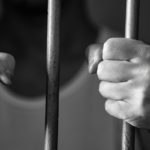
From Resources to Action: A New Facility Assessment in Boone County
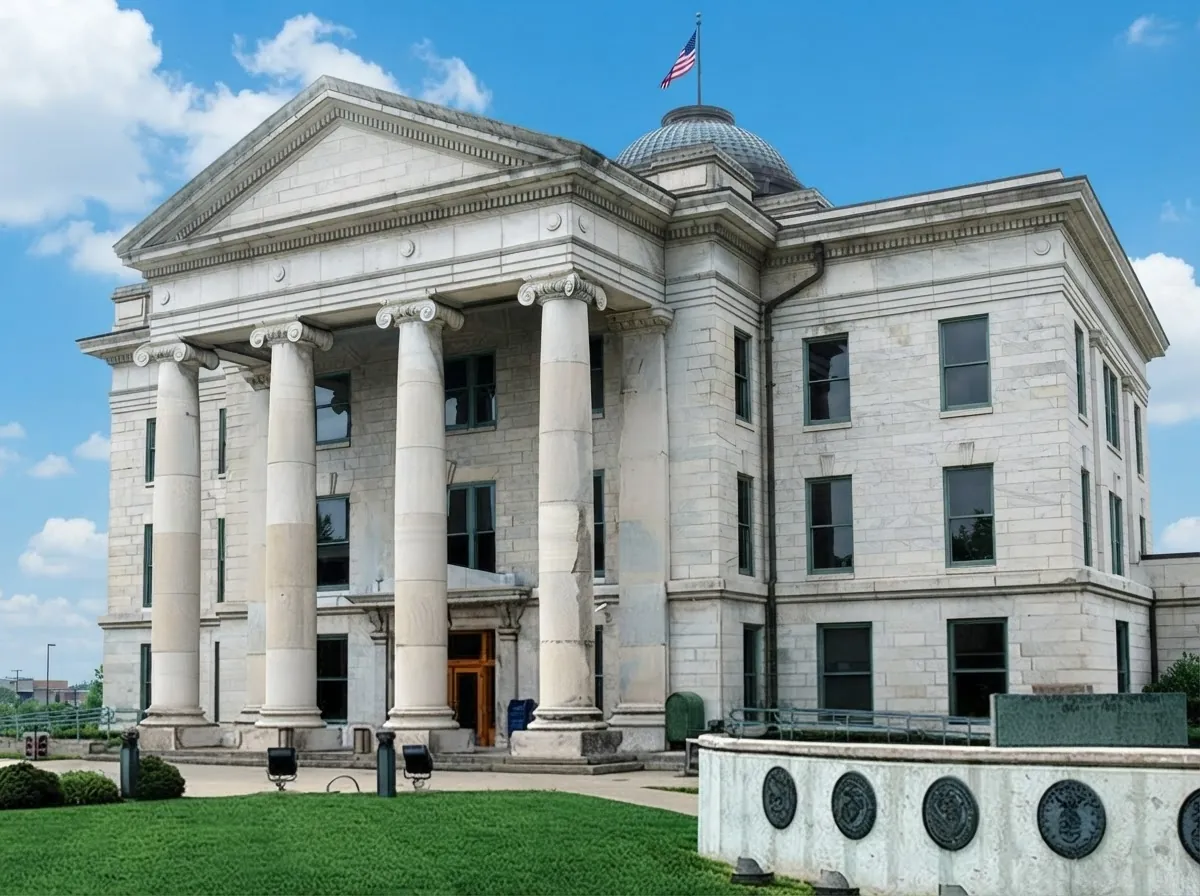
JJAI recently joined local officials in Boone County for the first meeting of a new juvenile detention facility assessment — putting the tools and standards from JJAI’s Facility Assessment Resource Hub into action.
The assessment team will bring together local experts and community members alongside JJAI experts Douglas Keillor and Beth Oprisch, combining professional expertise with local perspectives.
Boone County is voluntarily participating in a process that looks beyond minimum state and federal requirements to evolving best practices in adolescent development and youth confinement.
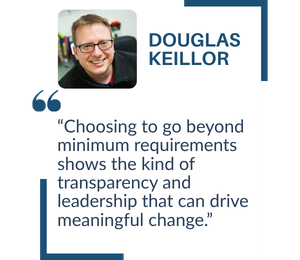
For JJAI, this is an important part of the work: not simply identifying problems, but giving facilities practical tools to examine their policies and practices and identify opportunities for meaningful improvement.
In Costa Rica, Young Mothers Reflect on Family and Connection
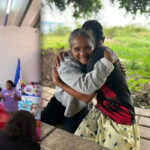
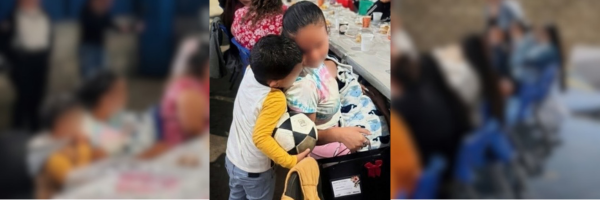
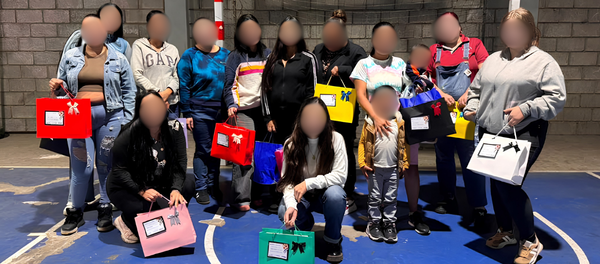
At Centro de Formación Juvenil Zurquí, young mothers — including those in detention and those serving alternative sanctions — came together with their children, mothers, and grandmothers for a special Mother’s Day gathering.
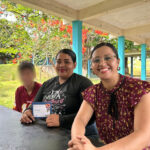
During the celebration, the mothers also received Restore the Circle cards written by sponsors and supporters like you, filled with messages of encouragement and connection.
Simple messages. Words of encouragement. A reminder that people beyond the facility are thinking of them.
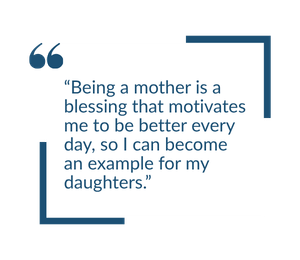
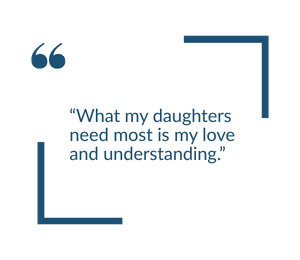
Their words are a powerful reminder of why maintaining family relationships matters throughout detention, alternative sanctions, and reintegration.
In Honduras, Families Share an Important Milestone
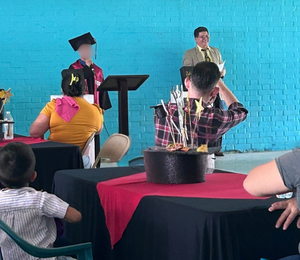
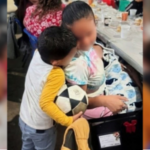
On August 28, a family reunification at CPI El Carmen brought together 7 young people and 10 family members, representing 7 families.
The day was especially meaningful for four young people who were graduating from a program that offered vocational and personal development opportunities, including barbering and personal and spiritual growth.
Their families were there to share that milestone — a reminder that family connection also means being present for moments of progress.
One Mission, Different Paths
From facilities choosing to examine how they can improve to young people sharing meaningful moments with their families, each of these stories reflects a different part of the same mission.
More humane and effective youth justice systems are built through accountability, community participation, opportunity, and connection.