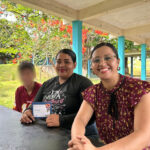

This month, our community advanced juvenile justice reform efforts across Latin America and supported families with children deprived of liberty.
Launch of the Alternatives to Detention Toolkit
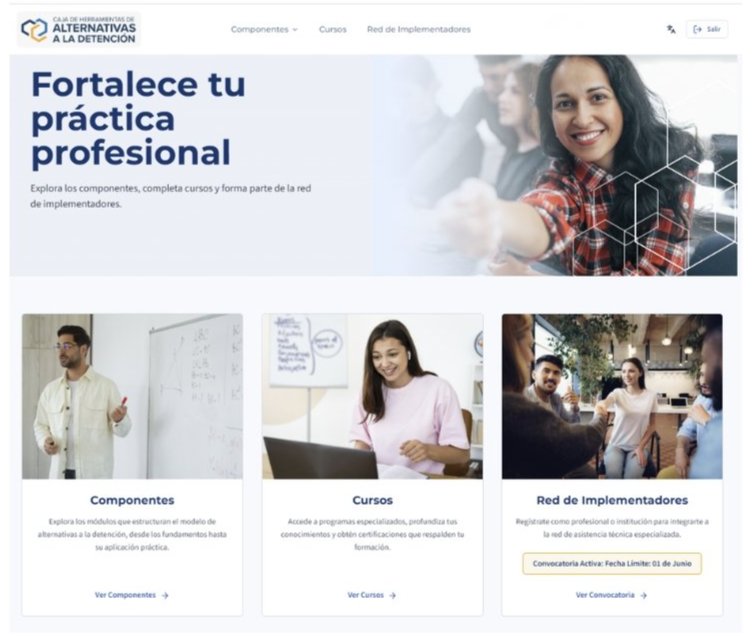
On April 29, we officially launched the Alternatives to Detention (ATD) Toolkit, developed by Juvenile Justice Advocates International with support from the Tinker Foundation.
This practical, evidence-based resource is designed to help governments, justice system operators, and civil society organizations reduce unnecessary detention and strengthen more effective, rights-based responses.
As a next step, we also opened applications for the Latin American Implementers Network, a regional initiative that will provide technical assistance and ongoing support to institutions committed to improving juvenile justice systems.
Applications open until June 1:
Learn MoreRestore the Circle: Family Connection as a Right
Thank you for being part of this. Across Honduras and Costa Rica, families stayed connected despite the barriers created by poverty, distance, and detention.
Here is what we have accomplished so far:
 10
monthly sponsorships
10
monthly sponsorships
 32
one-time sponsors
32
one-time sponsors
 $17,568
raised
$17,568
raised
But there is still time to sponsor and keep these connections possible. In Costa Rica, Mother’s Day is celebrated on August 15.
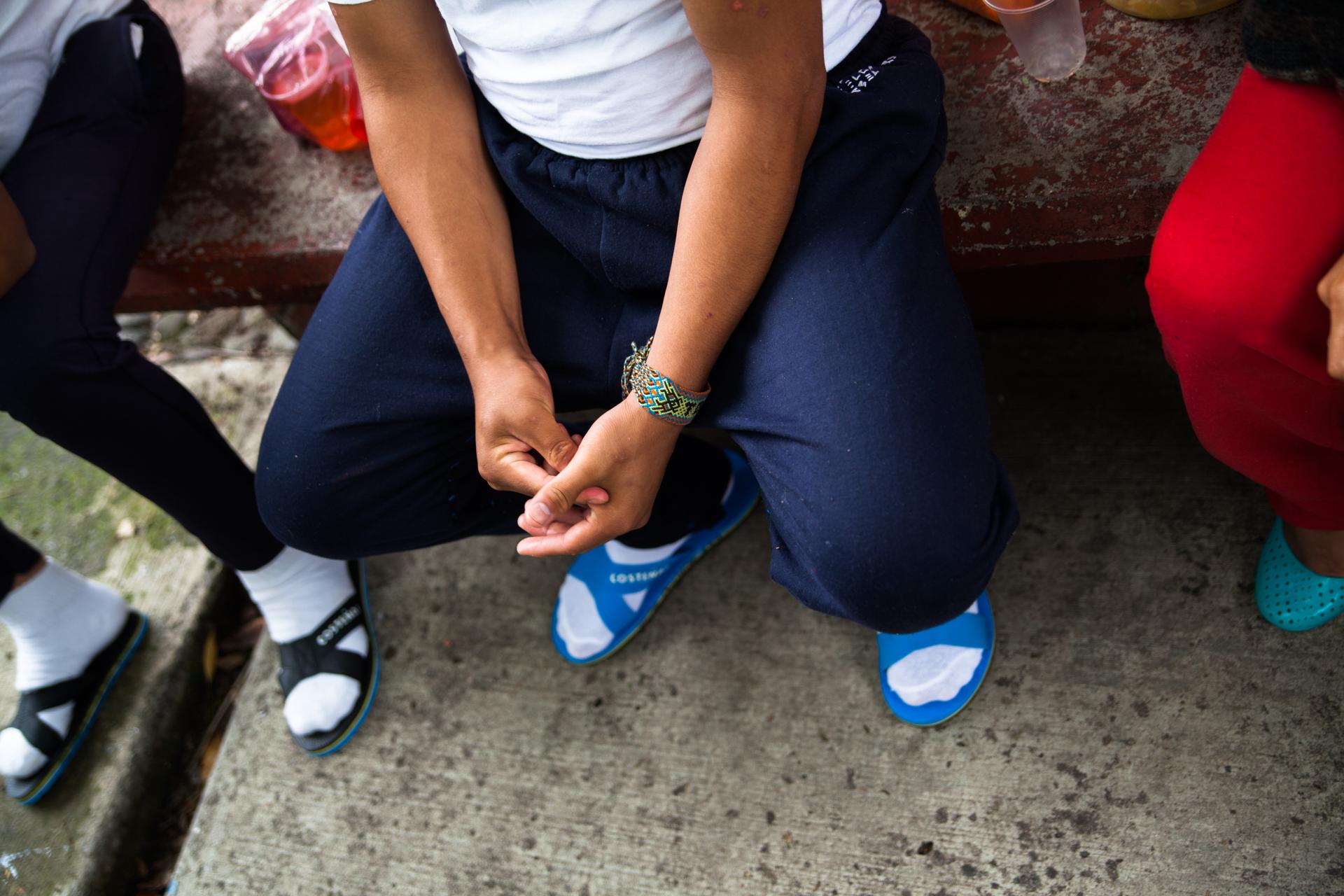
Every sponsorship funds:
- family visits and reunifications,
- transportation for mothers and relatives,
- support workshops,
- and emotional and legal accompaniment.
Honduras
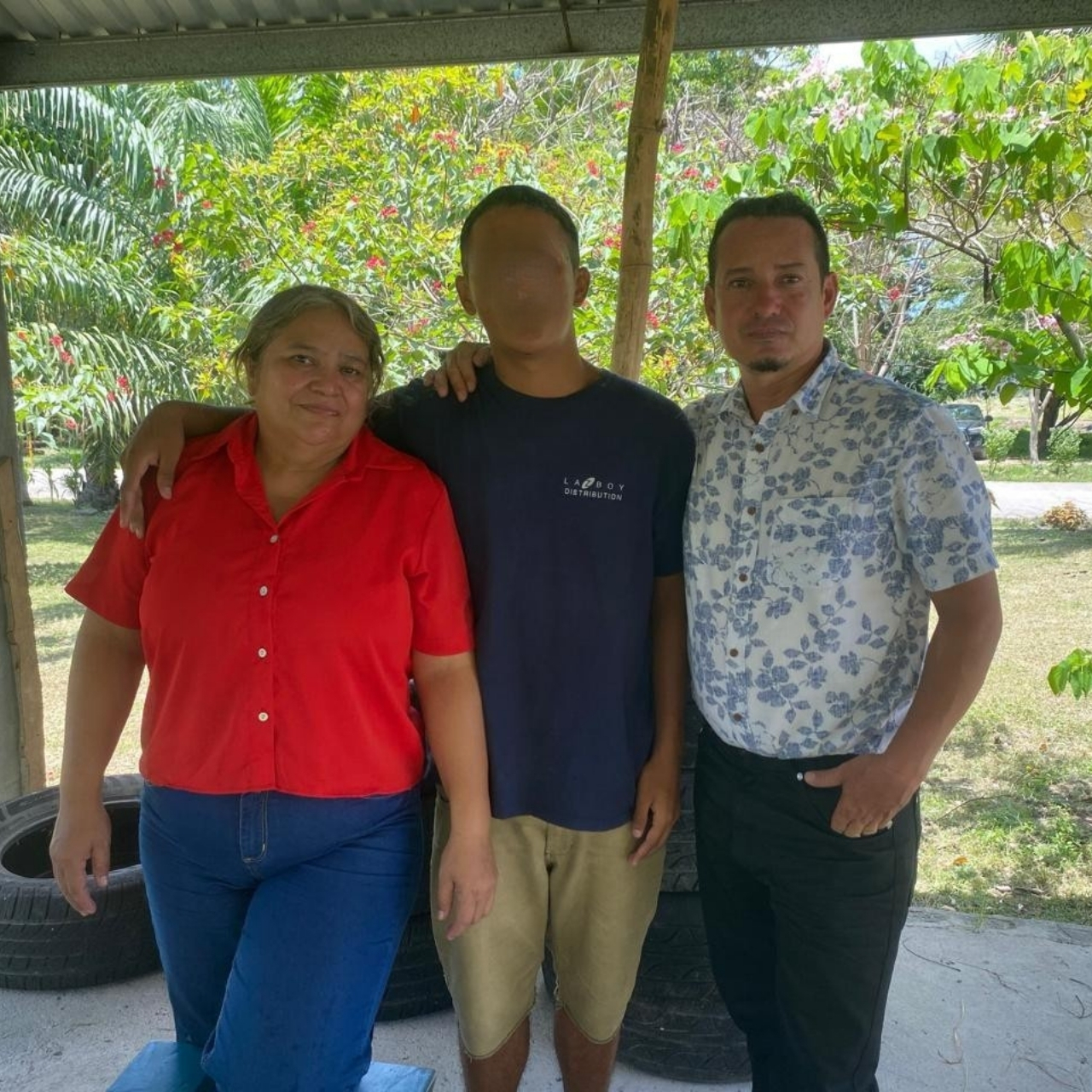
“I hadn’t seen my son for seven months,” one mother told us during a Family Reunification. Her son welcomed her with handmade paper flowers he had made for her.
During April, 9 family members reunited with 7 adolescents across CPI El Carmen and CPI Sagrado Corazón de María.
These reunifications show why family connection remains essential to healing, reintegration, and emotional well-being.
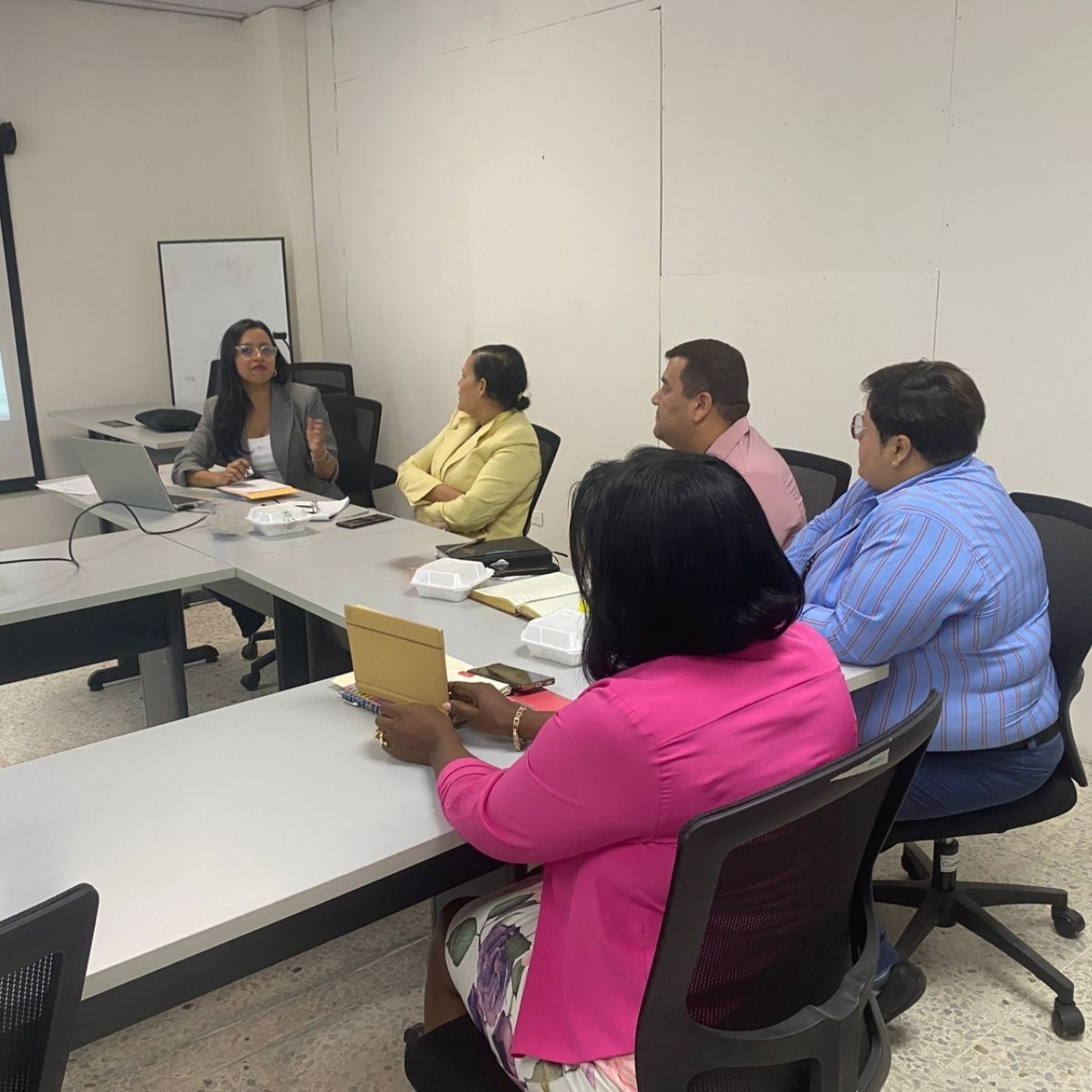
We also coordinated with justice system operators to strengthen collaboration within the juvenile justice system and advance alternatives to detention.
Costa Rica
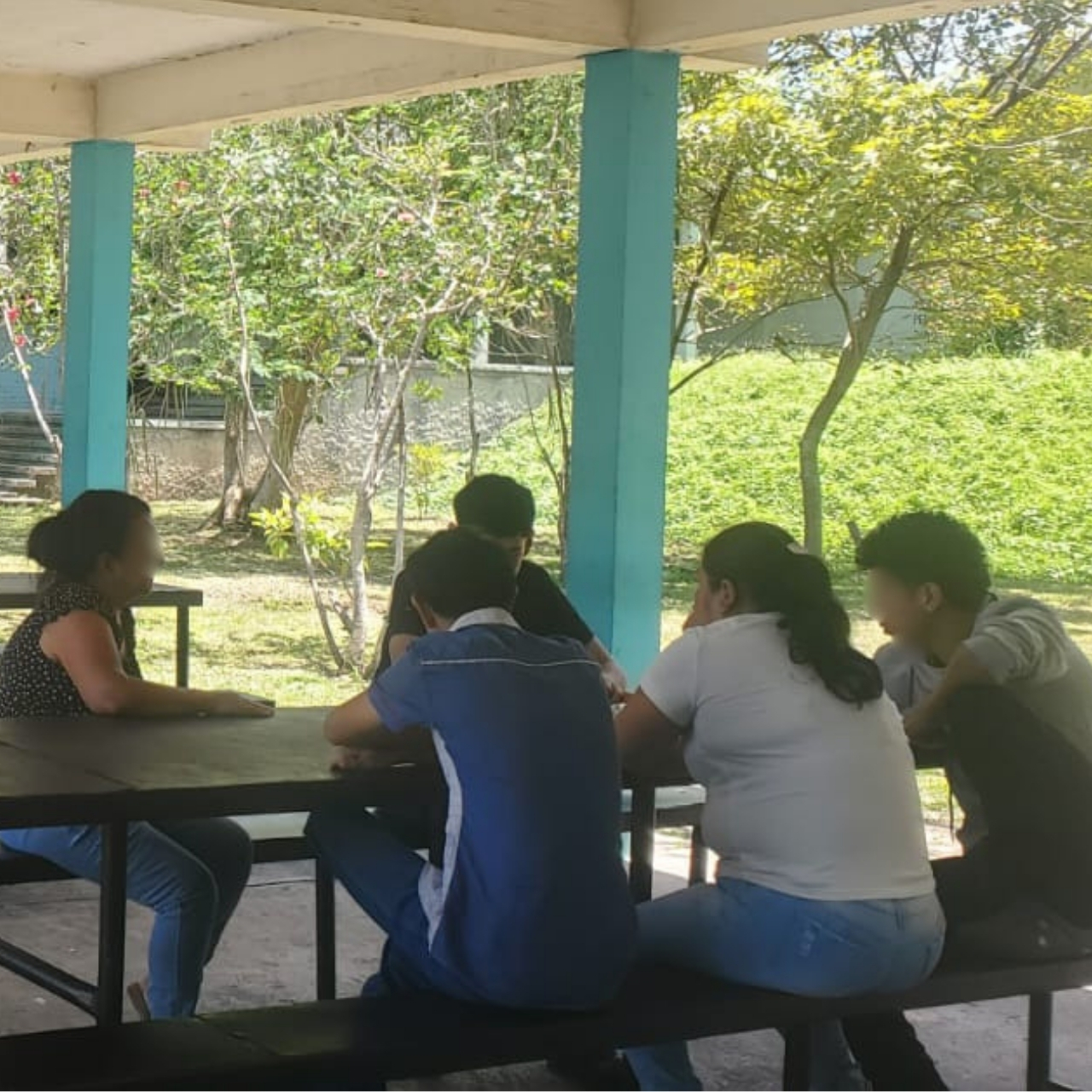
“It is exhausting to go through this alone,” one family member shared during a Family Committee at the Zurquí Youth Center.
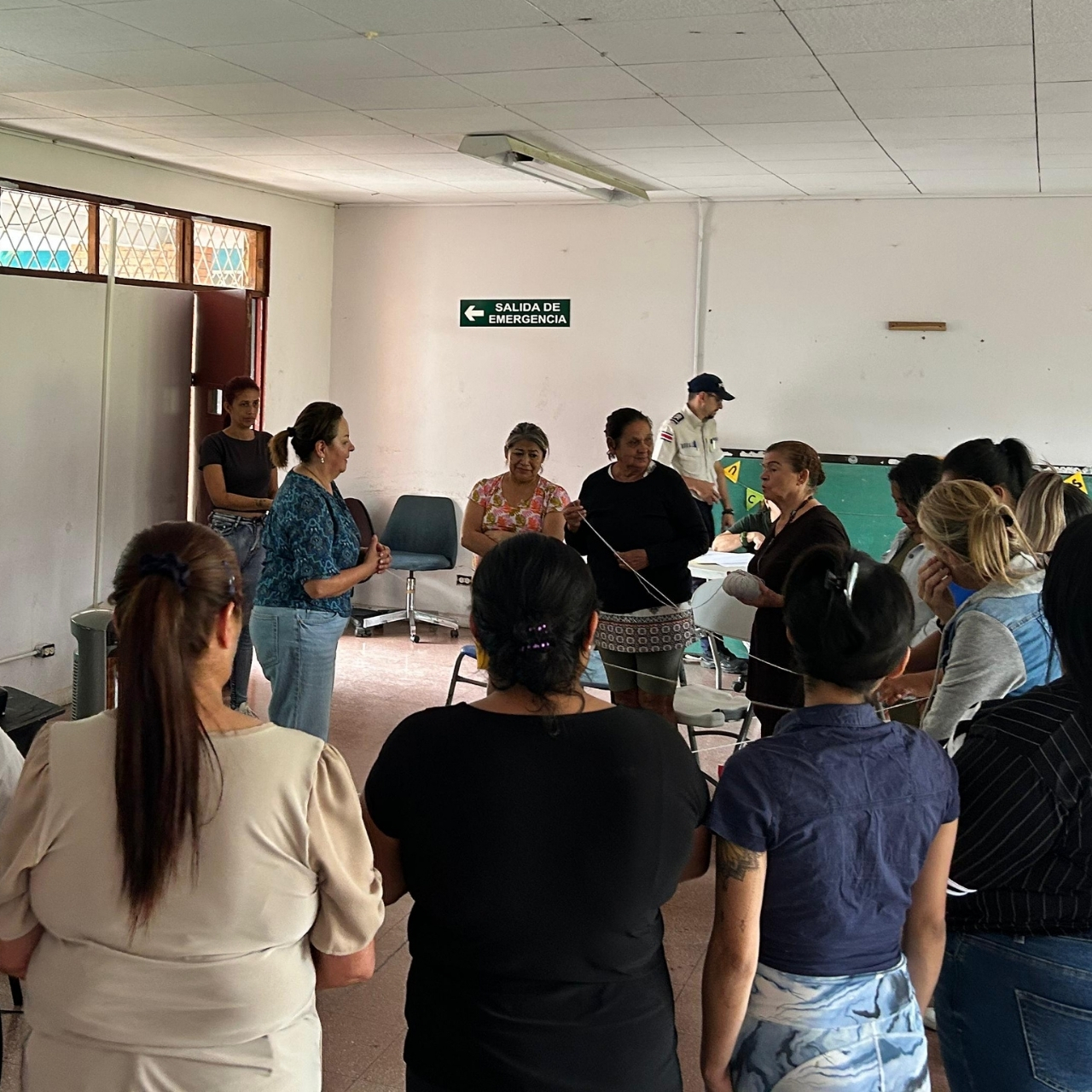
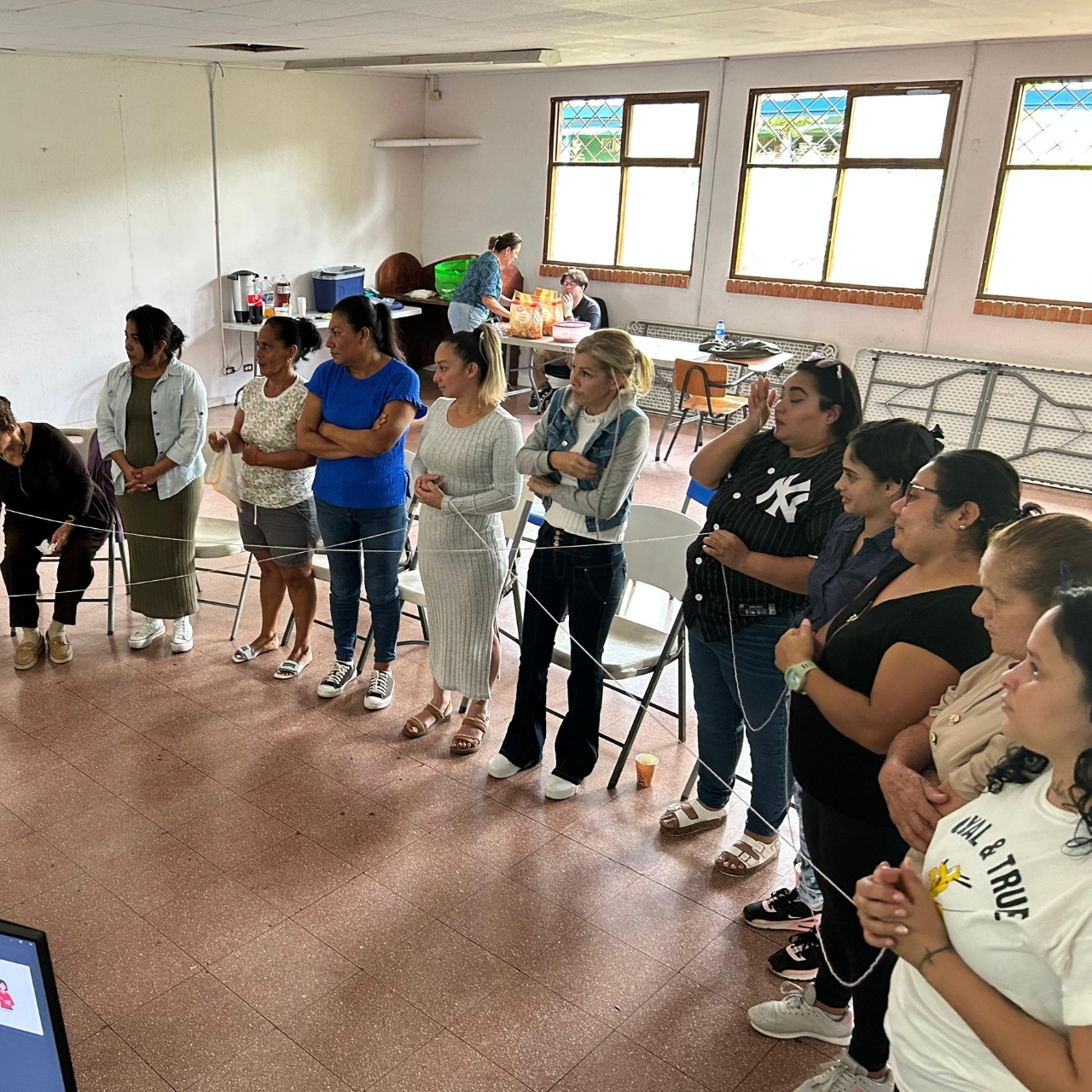
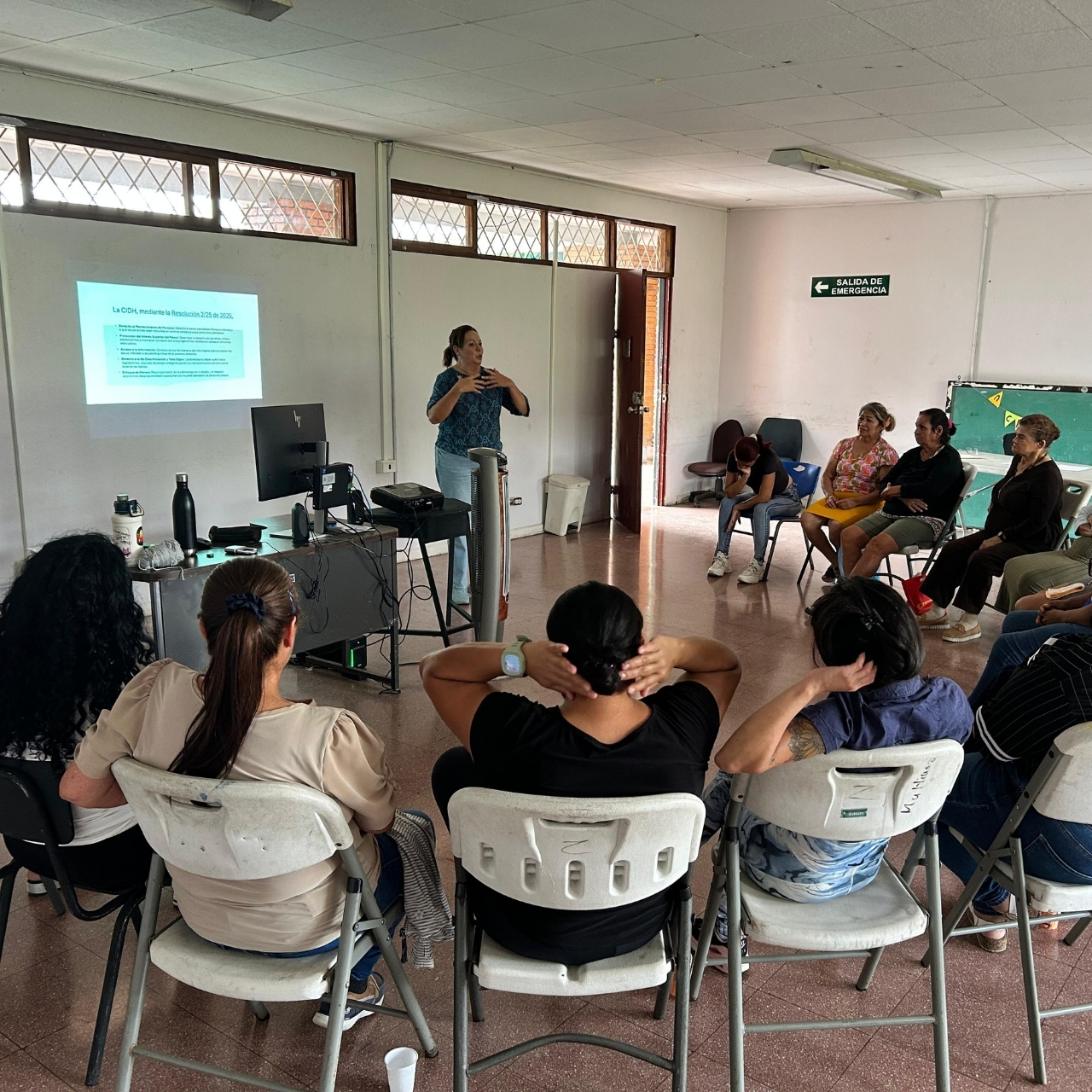
We brought together 17 mothers, sisters, and grandmothers of incarcerated youth for a new Family Committee session focused on emotional support, guidance on the juvenile justice system, and strengthening family support networks.
Families spoke openly about stigma, exhaustion, guilt, and hope.
The workshop reinforced a simple reality: families also need support, connection, and spaces where they are heard.
Welcoming New JJAI Board Members
We are honored to welcome three new members to our Board of Directors, each bringing extensive expertise in human rights, juvenile justice, public policy, and child protection.
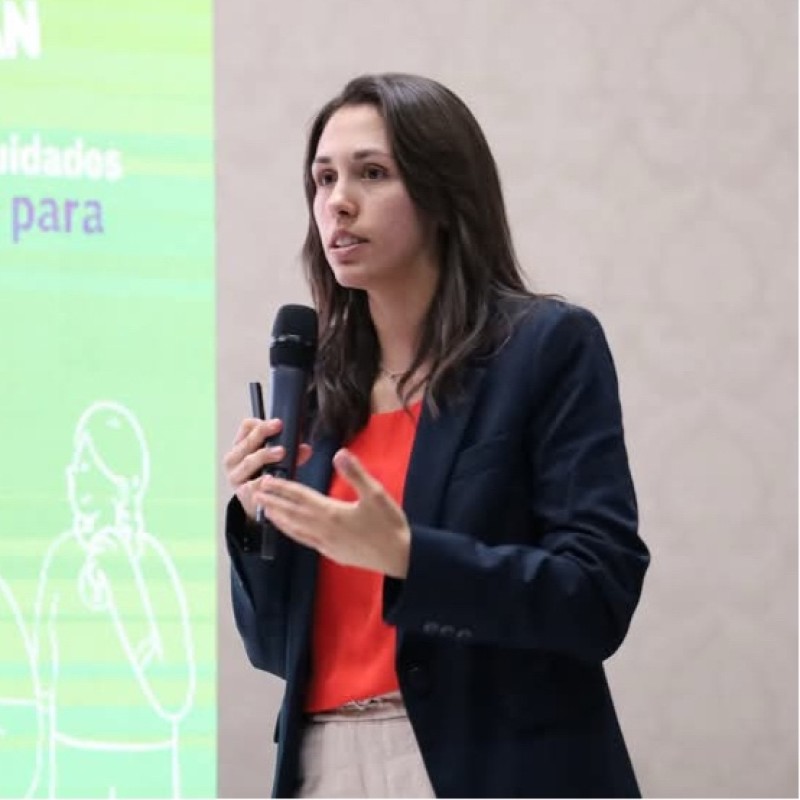
Ana María Morales Chacón
Holds a PhD in Political and Social Sciences from UNAM and is a specialist in public policy and tax justice in Latin America. Her experience in research, advocacy, and regional policy dialogue strengthens JJAI’s structural and human rights-based approach.

Virginia Murillo Herrera
An internationally recognized leader in human rights and child protection, with more than 30 years of experience across Latin America. Her leadership at DNI Costa Rica strategically strengthens regional collaboration in juvenile justice.

Athelyn Jiménez-Emmanuelli
A trial lawyer with nearly two decades of experience in juvenile defense and juvenile justice reform in Puerto Rico. Her work combines strategic litigation, research, and training on children’s rights.
Thank You to Our Spring Interns
As the semester comes to a close, we want to thank our Spring Interns for the important contributions they made to JJAI’s work.

Alexandra Singer
A human rights advocate with experience in political research, community engagement, and nonprofit work.
Alexandra coordinated with universities and partners to support the development of a global database of youth detention centers.

Azucely Bixcul
An Indigenous student from Sololá, Guatemala, committed to youth leadership, women’s rights, and strengthening Indigenous communities.
Azucely supported the documentation of detention centers, courts, and prosecutors offices across Latin America as part of the Alternatives to Detention Toolkit launch and the global database initiative.