Strengthening family bonds in Honduras and Costa Rica
Families are the most important sources of support and advocacy for children in detention. Our Family Reunification and Family Committees programs are critical to protecting children and making changes sustainable over time.
Reconnecting youth with their families
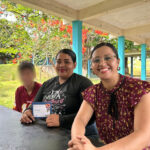
Through our Mobilize & Empower program, we supported family reunifications and dialogue sessions at CPI El Carmen and CPI Jalteva, helping families reconnect with their children and better understand their role in the justice process.
Impact (January–March 2026):
For many families, these were the first visits in months, made possible through our support for transportation, food, and lodging.
These sessions help families understand their rights, strengthen family bonds, and connect with other families facing similar challenges.
Barriers families face
Many families face significant obstacles that make visits difficult, including poverty, long travel distances, and limited literacy. In some cases, families miss hearings or visits not because they do not care, but because they lack the resources or information needed to reach the centers.
Creating spaces where families can learn, ask questions, and gain confidence is essential to restoring their role in their children’s lives.
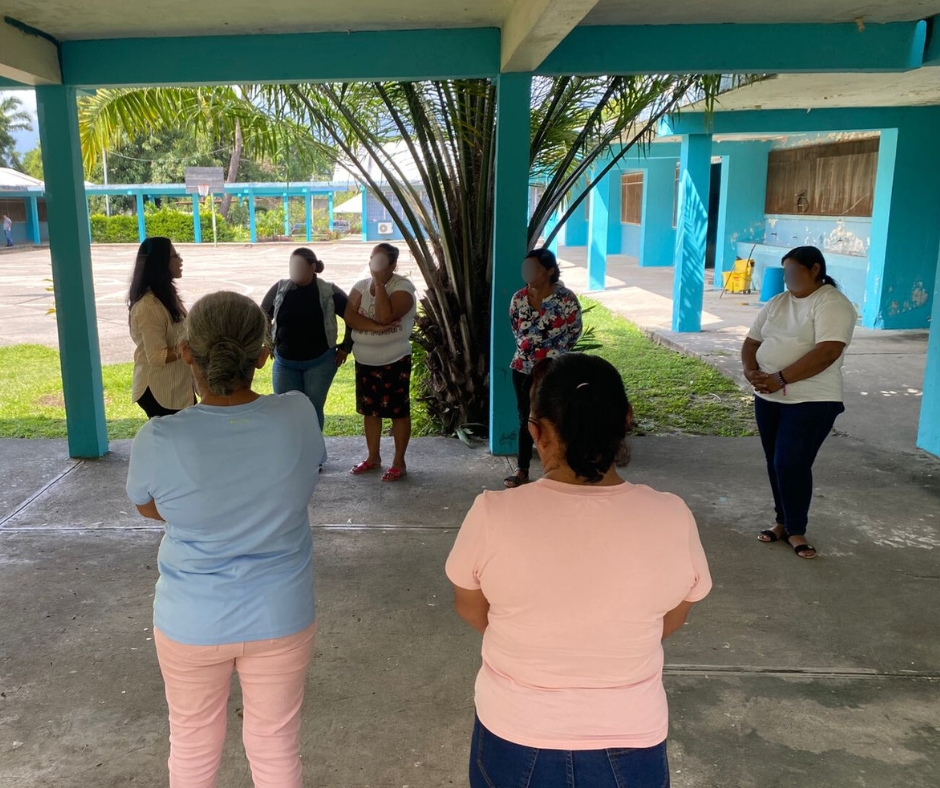
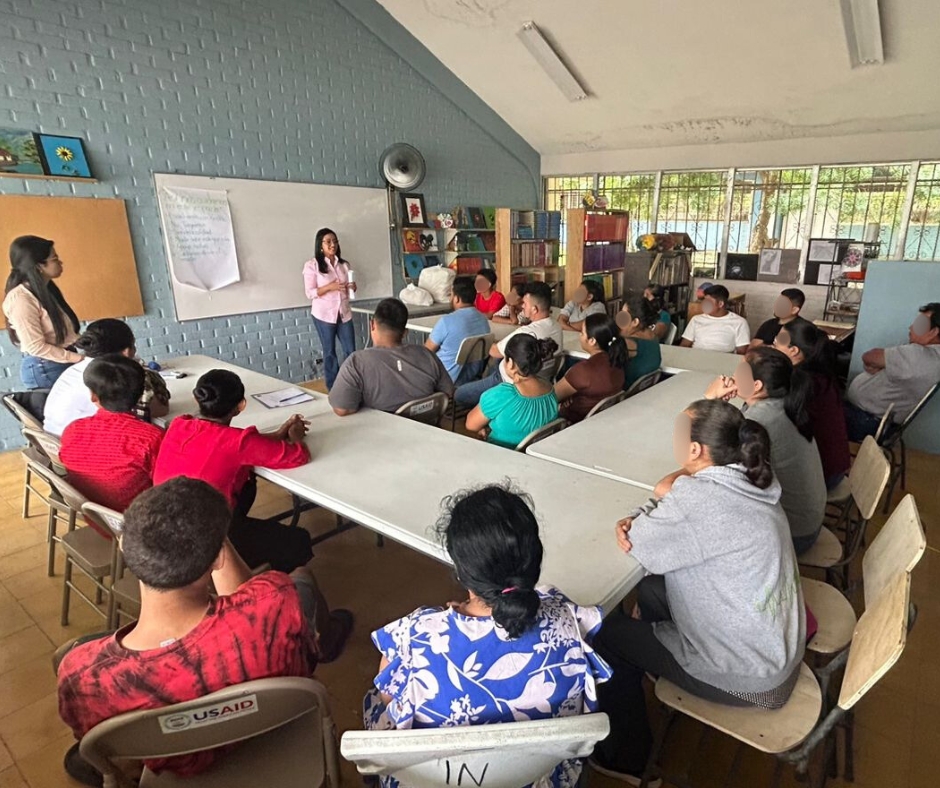
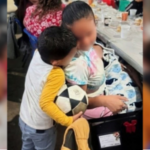
One grandmother, who has raised her grandson since he was a baby, had not been able to visit him for over two months due to financial hardship. Despite getting lost on the way, she made the trip.
“I was afraid because I didn’t know how to get there. But if I didn’t go, no one else would. I wanted to see my grandson.”
In the end, she was able to hug him, making the long journey worth it.
Inside the Juvenile Justice System
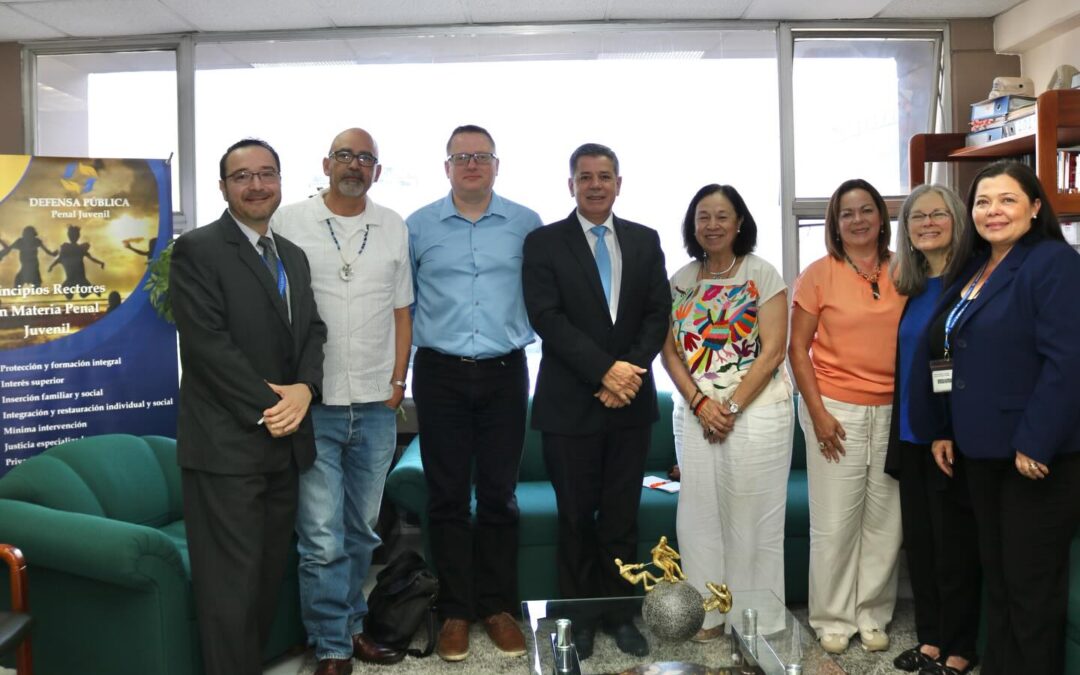
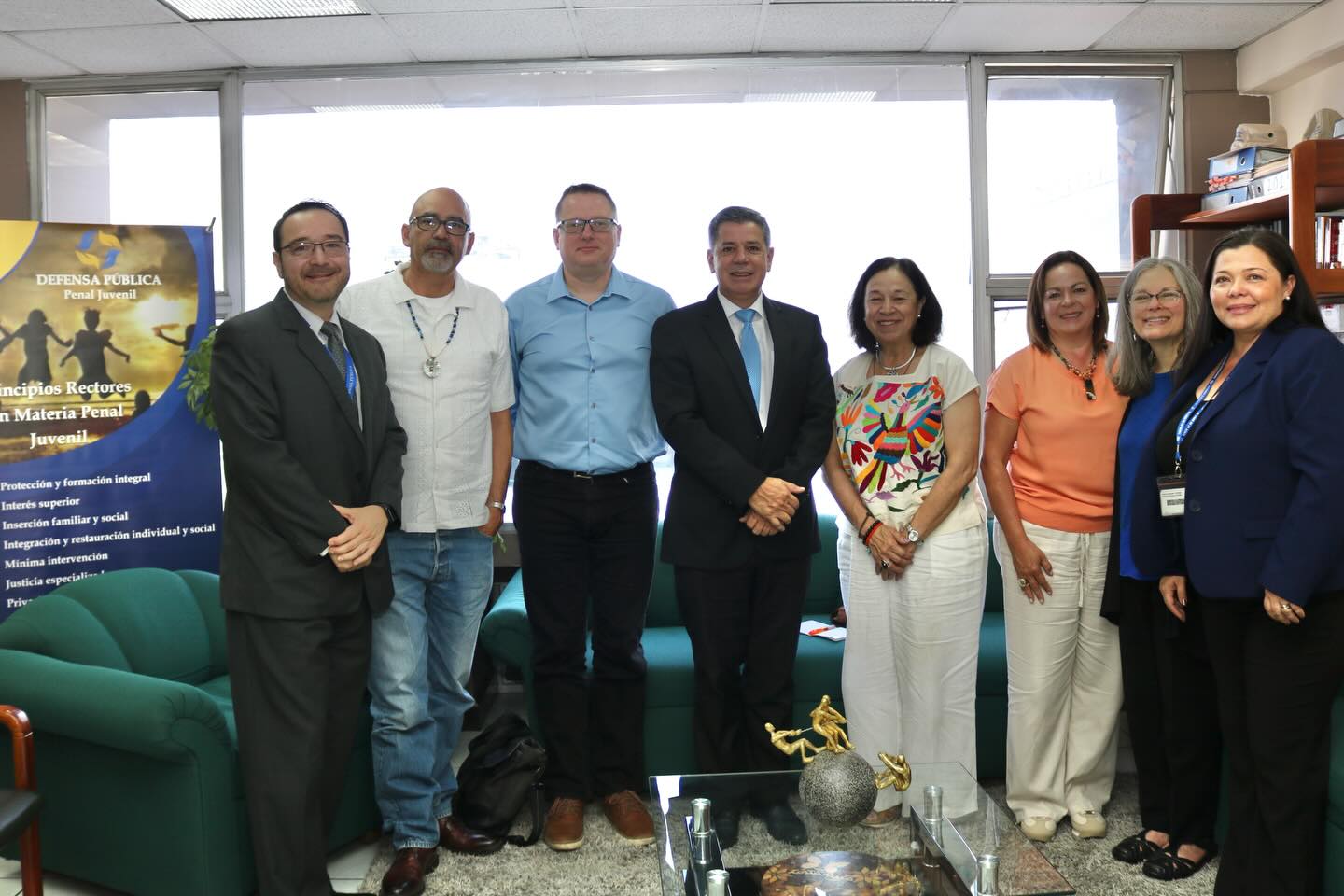
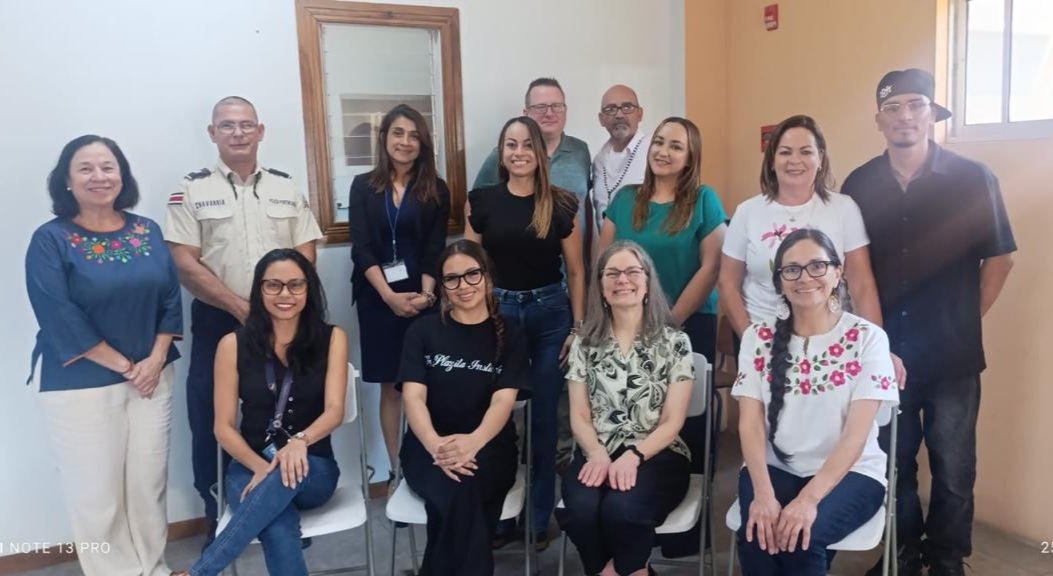
Last month, Douglas Keillor, JJAI’s Executive Director, visited Costa Rica alongside partners and supporters to better understand current conditions on the ground.
During the visit, we strengthened collaboration with key partners, including DNI Costa Rica and the Public Defense Office.
Together, we visited juvenile detention centers and held working sessions with justice institutions — advancing the implementation of Alternatives to Detention (ATD) and reinforcing coordinated, rights-based approaches.
Because real change happens when institutions work together — and when systems listen, align, and act.
But we also saw something we need to share
Across both juvenile detention centers in the country, there is a clear shift toward more punitive approaches:
- Facilities are at or near capacity
- The number of detained youth has significantly increased
- Staff are overwhelmed, limiting access to education, programs, and even visitation
In many cases, youth spend most of their day with: No programming. No structure. Just time passing.
Research shows that these conditions are not only ineffective but also harmful. We saw it reflected in the environment and in the experience of the young people inside.
That’s why this work is essential:
Costa Rica is at a critical moment, with a growing shift toward more punitive approaches.
We bring institutions together, strengthen family connections, and keep systems focused on dignity and rights.
Because when families are present, and systems are aligned, real change becomes possible.
Strengthening alternatives to detention
We have initiated discussions with DNI Costa Rica, the Ministry of Justice and Peace, and the Judicial Branch to establish a Time to Trial Working Group. This effort brings together judges, prosecutors, public defenders, and social services to reduce delays that keep children in detention for extended periods.
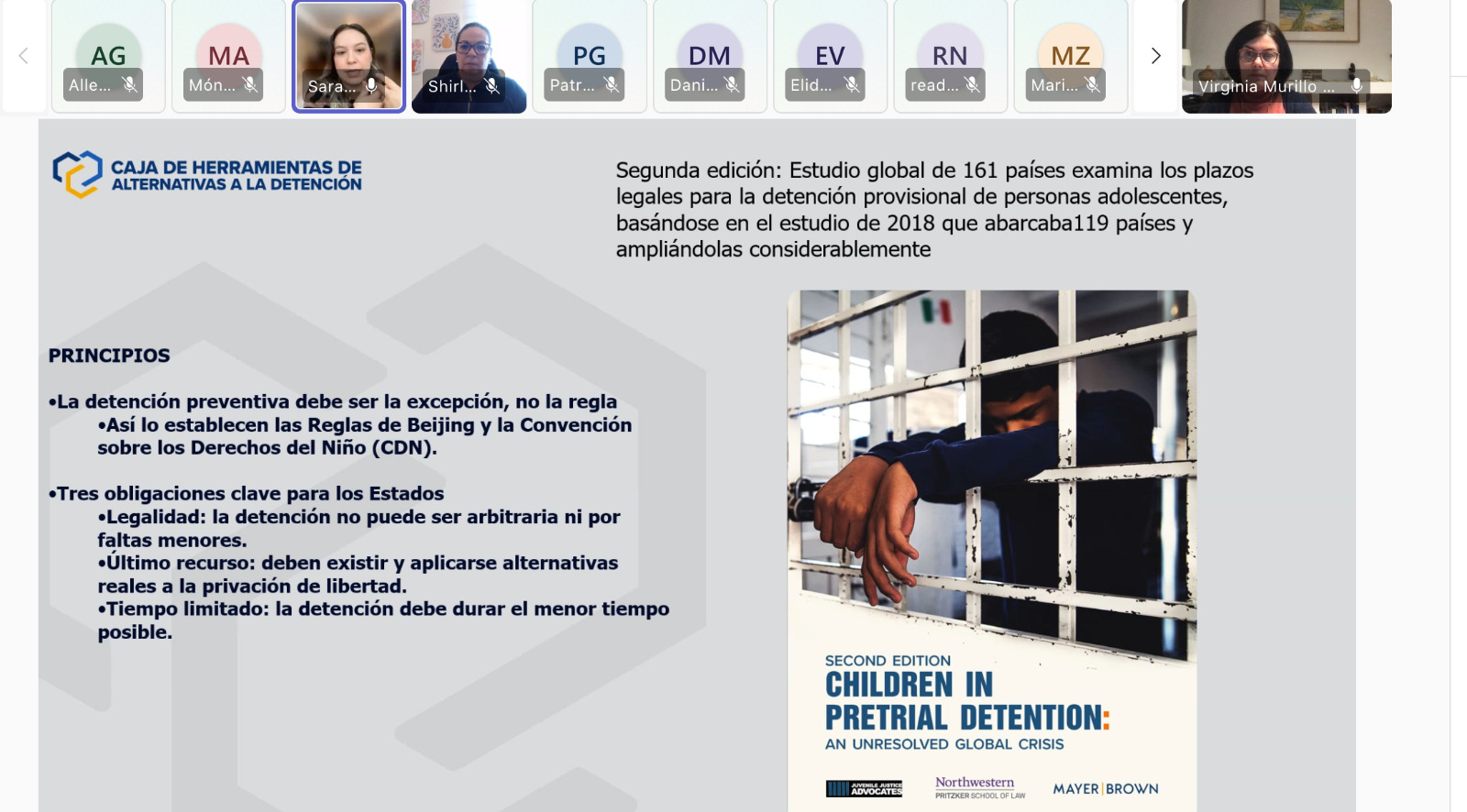
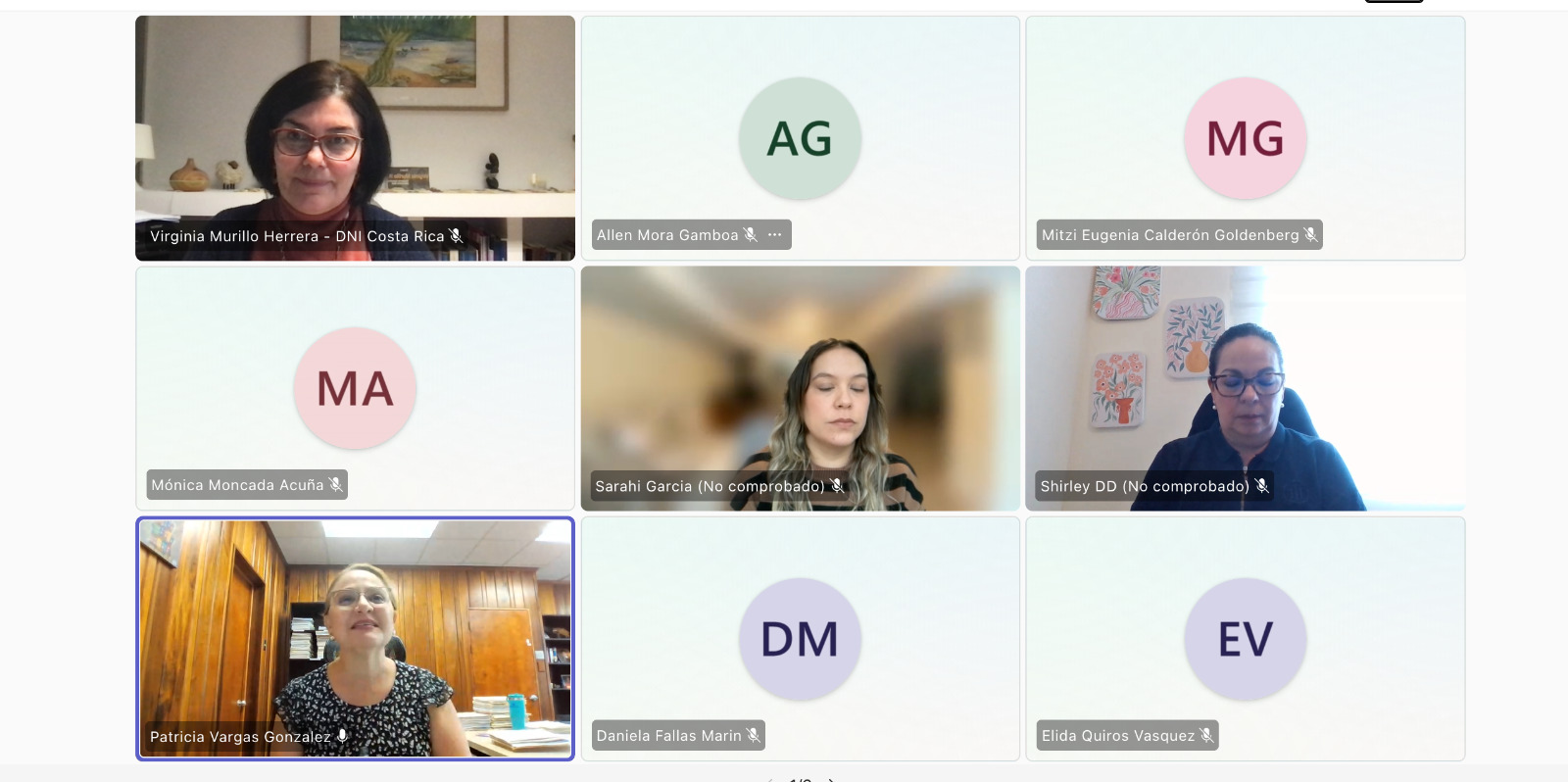
Coordinated with authorities at Centro Juvenil Zurquí to launch a new cycle of family workshops and reunification activities.
Upcoming activities
Each workshop will gather 25 families and focus on strengthening family bonds, the importance of family support during detention, and preparation for reintegration after release.
There are 116 children in detention. Their best opportunity for success is consistent family support during and after their incarceration.
Looking Ahead
In the coming months, we will:
- Continue supporting family reunifications in Honduras and Costa Rica
- Expand family committees to empower more families
- Launch family committees in Costa Rican detention centers
- Advance collaboration with justice institutions to strengthen alternatives to detention
Every time a family member connects with youth, visits youth, or learns how to better advocate for youth, creates more opportunities for children to succeed and find hope for their futures.
Thank you for making it possible
Every family visit, every youth voice, every act of empowerment begins with your support.
Join us in mobilizing and empowering communities to create lasting change:
Support JJAI